Joris Kersten
•
Analytics & Optimisation

Let’s face it: we don’t want to spend much time searching for information online. And when we find it, we want it quick.
Chances are you never even get to read this sentence, because we usually only scan titles, headings and images to get the key message of an article. We all know online users behave like this, and so does Google. In fact, this might very well be the reason that Google is now including page performance as a ranking factor in their Search algorithms. The tech giant has been pretty vocal about this change, so let’s prepare and turn this news into SEO opportunities.
Google’s Core Web Vitals explained
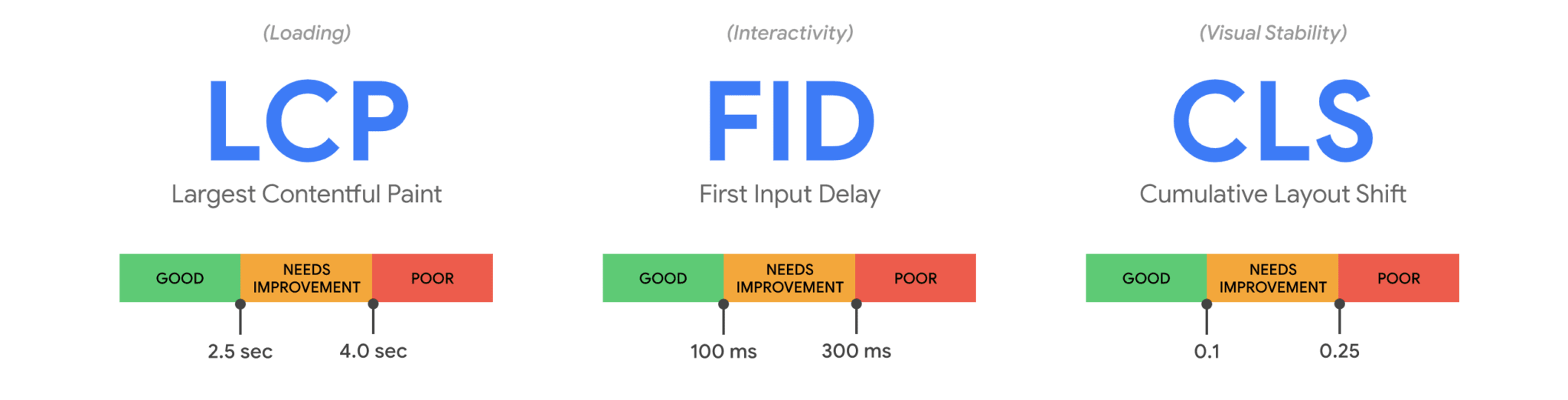
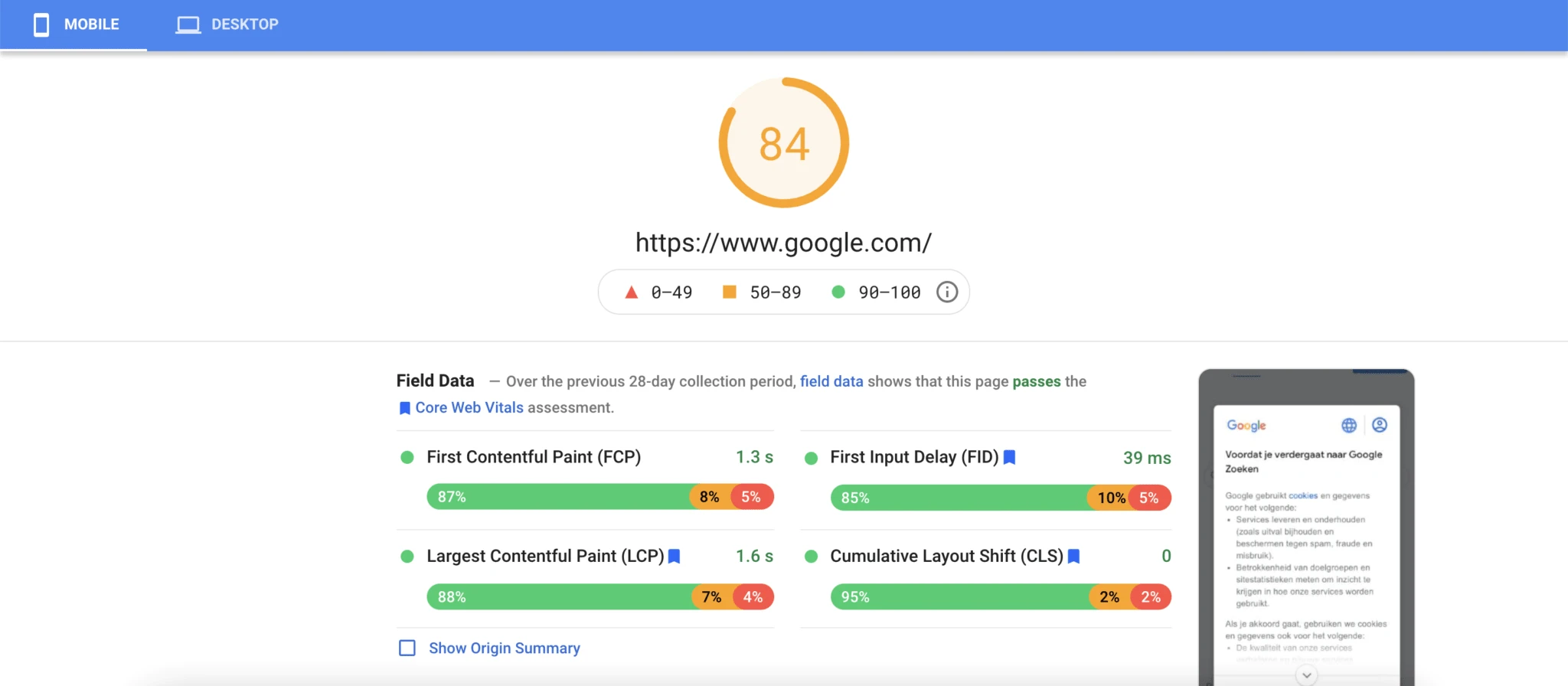
First of all, what are these so-called Core Web Vitals? They’re part of Google’s page experience criteria and are considered the most important signals to measure the quality of your website’s performance. Google already shared that these indicators will evolve over time but promised to update us well ahead of time. Currently the Core Web Vitals focus on loading (LCP), interaction (FID) and stability (CLS). They also come with some new acronyms to print in the SEO part of your brain. Who doesn’t love more acronyms right? Let’s dive right in.